This is going to be the first part of my ten favorite reads from 2025. I decided to break the list in half to condense the length of the post. Lastly, I chose to arrange the books in the chronological order in which I read them.
The Rachel Incident
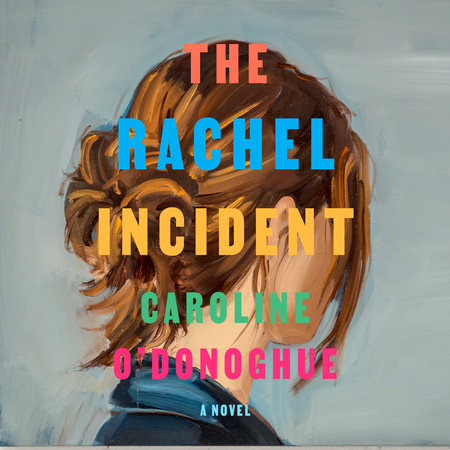
“I have read a lot of books about the lasting trauma of young women and their dastardly corrupt English professors and what happens when they fuck you. I have read nothing whatsoever on the trauma of when your English Professor decides not to fuck you”
It’s 2009, and Rachel is a twenty-year-old college student who’s splitting rent with James, her gay best friend. The two of them create a scheme for Rachel to seduce her Victorian Lit professor, Dr. Fred Byrne. But things veer wildly off track on the night of when James successfully seduces Dr. Byrne and starts an affair with him. What follows is a messy, chaotic year for the trio, which eventually includes Dr. Byrne’s wife, Deenie, and Rachel’s new boyfriend, James Carey (yes, he shares the same name as her roommate). This was the premise that initially sold me on the book. I expected it to be a humorous, contemporary contrast to the depressing fiction I’m normally drawn to. And it certainly delivers on that front. Page after page, paragraph to paragraph, this book is on fire with how witty it is. I was never bored or unengaged with the unfolding plot. However, the book is more than just a series of punchlines strung together. It’s a love letter to the friends and situations we find ourselves in throughout our early twenties, as told by a character with some distance from those years. The main story takes place in the late 2000s, but the book itself begins in the early 2020s as an older Rachel recalls these events after an encounter with someone from college. This framing creates a feeling of nostalgia for these memories as we relive them with Rachel. But the first-person narration never holds back on its introspection of the past from an older perspective. It does a wonderful job of being both critical and understanding of the main character’s immature decisions. And as the situation and emotions spiral, the narrative slides into a more serious subject matter, which I felt was natural and earned. Still, the framing adds a ray of hope even to the dramatic shifts. There’s always the underlying message that life goes on, and if I can get through this, then so can you.
In Memoriam

“He thought perhaps all the pain would sour the love, but instead it drew him further in, as if he were Marc Antony, falling on his own sword. And it was a magical thing to love someone so much; it was a feeling so strange and slippery, like a sheath of fabric cut from the sky”
Just like with The Rachel Incident, I immediately suspected that In Memoriam would be right up my alley from the premise alone. It’s a gay love story set in World War I, between two friends, Henry Gaunt and Sidney Ellwood. The narrative begins with their time in boarding school, when both are burning with desire for the other, but not realizing that their feelings are mutual. This same tension plays a role in their enlistment, and from there, the novel ascends into a gripping depiction of war and romance. Each stage of the story had me in its palm. Trust me when I say that this is a novel that will make you care about its protagonists (the supporting characters are also great). The writing is in full control of them and their setting. You will spend the first few chapters at the boarding school wishing that the two would confess their feelings for one another. You will feel their distress when they’re not around each other once the war begins. And you will long for their safety whenever they’re in danger. The book weaves these tender, intimate scenes with gory battle sequences, creating an emotionally overwhelming experience. It does so while also scattering intertextual references to English poetry and existing WWI literature for extra measure. Oh, and it’s also a debut novel. To say that I’m excited for what Alice Winn does next is an understatement.
The Great Gatsby

“There must have been moments even that afternoon when Daisy tumbled short of his dreams- not through her own fault, but because of the colossal vitality of his illusion. It had gone beyond her, beyond everything. He had thrown himself into it with a creative passion, adding to it all the time, decking it out with every bright feather that drifted his way. No amount of fire or freshness can challenge what a man will store in his ghostly heart.”
It’s okay if you didn’t read Gatsby last year for its big centennial anniversary. I wouldn’t have either if it weren’t for my American lit class, but I’m so glad that I did. If you’re like me, this is a book that was assigned in high school, and it went in one ear and out the other. And again, like me, if it’s been several years since your first encounter, now is the ideal time to revisit it, as you are in a prime position to truly appreciate its depth. The themes of The Great Gatsby are ones that age with you and grow in resonance. I genuinely believe this is the greatest book of all time, with every aspect executed to perfection. Much has been said about its commentary on the illusion of “The American Dream” at a time when materialism and celebrity culture were beginning to take hold. However, what I found most powerful was the simplicity of the interpersonal dynamic at the heart of the narrative. For a brief moment, Gatsby shared a fulfilling romantic connection that was taken from him. The wealth, partying, and posturing were all part of a single-minded attempt to win her back and feel the joy he once had. He had everything, and yet he still fell short, thus leaving him with nothing as nothing. It may seem simple in summary, but it is devastatingly real in practice. And this is only tapping the surface of the text. There’s Nick, the ultimate unreliable narrator, Fitzgerald’s embellished prose inspired by Keats, and a creeping feeling of societal dread that’s begging you to link it to the decade to come.
Human Acts

I still remember the moment when my gaze fell upon the mutilated face of a young woman, her features slashed through with a bayonet. Soundlessly, and without fuss, some tender thing deep inside me broke. Something that, until then, I hadn’t realized was there.
Before reading Human Acts, it’s important to know that the narrative is inspired by a real tragedy in South Korean history. In May 1980, a student-led uprising for democracy in Gwangju was met with extreme military violence, resulting in a massacre that killed anywhere from 600 to 2300 individuals. The book never offers a dry summary of this event, as its main focus is on the rippling and ever-present trauma of the massacre. It achieves this goal by centering the story on the memory of a young boy who was killed, named Dong-Ho. We follow him in the period leading up to his death throughout the first chapter. And with each new chapter, the book switches time and perspective to follow a different character who was affected by his death. These voices range from an editor in the 1980s to Dong-Ho’s elderly mother in the early 2010s, with an epilogue from the writer who was a child during the uprising. Each chapter is distinct and reveals a new aspect of our understanding of the past. It certainly isn’t an easy read at times. The descriptions of death and suffering are often blunt, but the questions posed by these characters and events will keep you thinking long after you finish the book.
The Grapes of Wrath
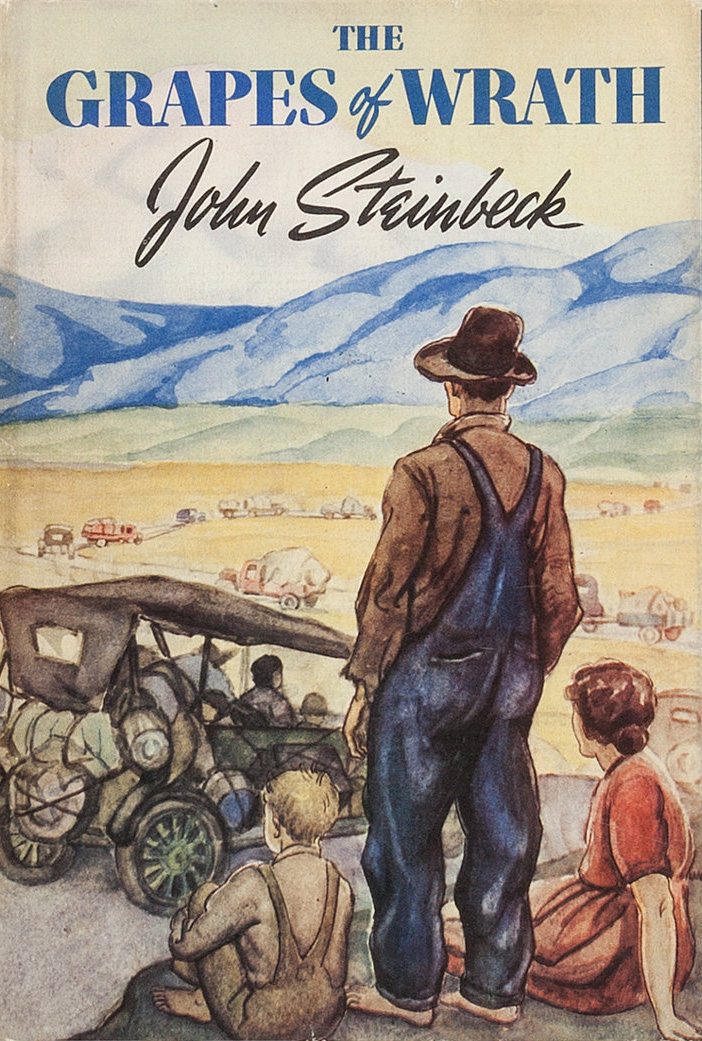
The land fell into fewer hands, the number of the dispossessed increased, and every effort of the great owners was directed at repression. The money was spent for arms, for gas to protect the great holdings, and spies were sent to catch the murmuring of revolt so that it might be stamped out. The changing economy was ignored, plans for the change ignored; and only means to destroy revolt were considered, while the causes of revolt went on.”
Here we have another contender for “The Great American Novel.” And just like with F. Scott Fitzgerald, I completely adore Steinbeck’s writing style. Call me basic, but I’m so deep in the tank for this man. His prose is dense and detailed but never boring. His characters are grand in their characterization and often rank amongst the most iconic figures in American literature. But more than anything, The Grapes of Wrath earns its legendary status through its biting commentary on the status quo in which it was produced. Eighty-five years later, the moral outrage remains entirely relevant, with the potential to grow over time. What we have here is a family drama about a displaced lower class caught in a man-made environmental catastrophe. The plight of the Joads is told linearly; however, in between their struggles are small narrative breaks. In these pauses, Steinbeck includes either character vignettes or expository passages that contextualize and critique capitalism’s role in the Dust Bowl era. The sum total of these chapters, along with the main narrative, is a towering indictment of human greed and carelessness both in 1939 and today.
 Literary Gems